5 'Allergy' Symptoms That Are Actually Something Else Entirely
Quick Answer: Fatigue, brain fog, chronic cough, skin flushing, and headaches are frequently blamed on allergies but often trace back to other causes — non-allergic rhinitis, histamine intolerance, or sinus issues that don’t involve the immune system’s allergic pathway at all.
You’ve been popping antihistamines for weeks and nothing’s really shifting. That’s a real clue — it usually means the label ‘allergies’ was wrong from the start, not that you need a stronger dose.

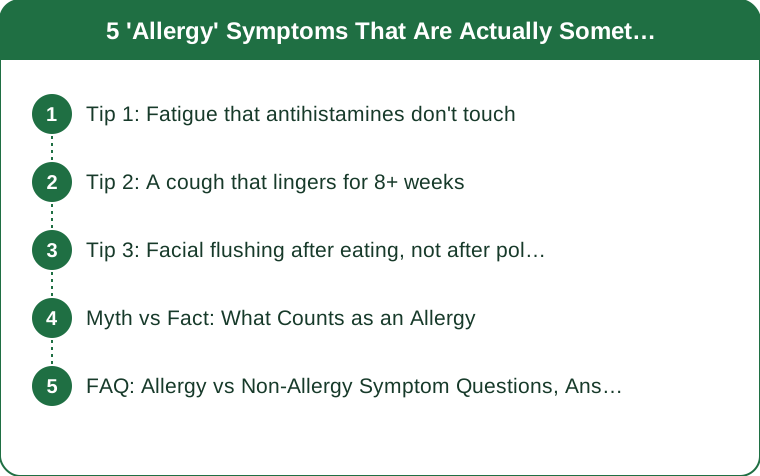
Tip 1: Fatigue that antihistamines don’t touch
True allergic fatigue tends to improve within days of starting an antihistamine. If you’re weeks in with zero change, the tiredness is more likely poor sleep, low iron, or thyroid-related — worth a basic panel before blaming pollen.
Tip 2: A cough that lingers for 8+ weeks
Seasonal allergy cough usually tracks with pollen counts and eases when they drop. A cough that persists 8 weeks or longer regardless of season points more toward post-nasal drip from a different cause, acid reflux, or in some cases asthma — worth flagging to a doctor rather than another round of allergy meds.

Tip 3: Facial flushing after eating, not after pollen exposure
If flushing, itching, or a stuffy nose shows up specifically after meals — especially aged cheese, wine, or fermented foods — that pattern points toward histamine intolerance, a food-processing issue, not an airborne allergy at all. Antihistamines can mask it, which is exactly why it gets mislabeled.
Myth vs Fact: What Counts as an Allergy
Myth: Any runny nose in spring is seasonal allergies. Fact: Non-allergic rhinitis — triggered by weather changes, strong smells, or temperature shifts — produces nearly identical symptoms without any immune allergy response, and it doesn’t respond to allergy testing.
Myth: If antihistamines help at all, it confirms allergies. Fact: Antihistamines also blunt histamine from other sources (food, stress, hormonal shifts), so partial relief isn’t proof of a true allergy.
Myth: Headaches during allergy season are always sinus pressure from allergies. Fact: Barometric pressure changes that come with seasonal weather shifts trigger migraines independently — same season, different mechanism.
FAQ: Allergy vs Non-Allergy Symptom Questions, Answered
How can I tell if it’s really allergies without a doctor’s test?
A skin prick or blood IgE test is the only reliable way to confirm true allergy — symptom pattern alone (especially anything not improving on antihistamines) is a reasonable signal to get tested rather than guess.
Can stress cause allergy-like symptoms?
Yes — stress raises histamine release and can worsen nasal congestion and skin flushing through a non-allergic pathway, which is part of why symptoms can flare during high-stress weeks unrelated to pollen counts.
Should I stop my allergy medication if I suspect it’s not allergies?
Don’t stop abruptly without asking a doctor, especially if it’s also managing a diagnosed condition — but it’s reasonable to bring the pattern up at your next visit and ask about alternative causes.
TL;DR:
- Fatigue, an 8+ week cough, and post-meal flushing are commonly mislabeled as allergies
- If antihistamines aren’t helping after a couple weeks, the cause is probably not a true allergy
- Non-allergic rhinitis and histamine intolerance mimic allergy symptoms without the immune trigger
- A real IgE or skin test is the only way to confirm, not symptom pattern alone
If your ‘allergies’ aren’t responding to allergy treatment, that’s the signal to ask what else it could be.
Keep Reading
This article is for general informational purposes only and is not medical advice. Always consult a qualified health professional for guidance specific to you.