Five September Ragweed Setups That Keep Outdoor Workouts Possible
Quick Answer: Ragweed pollen typically peaks from late August through mid-September and counts run highest between roughly 10am and 3pm on warm, dry, breezy days. The most effective adjustments are not pharmaceutical: move the session to early morning or after rain, change and shower immediately afterwards, keep the pollen out of the bedroom, and pick routes away from disturbed ground and roadside verges where ragweed actually grows. Five setups below, each aimed at a different link in the chain.
A single ragweed plant releases about a billion pollen grains in a season, and the grains travel hundreds of miles on wind. You are not going to out-train that. You can time around it.
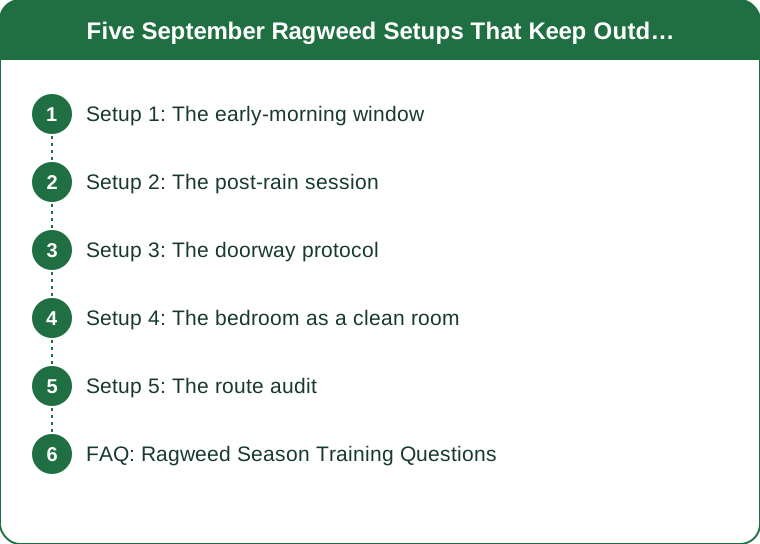
Setup 1: The early-morning window
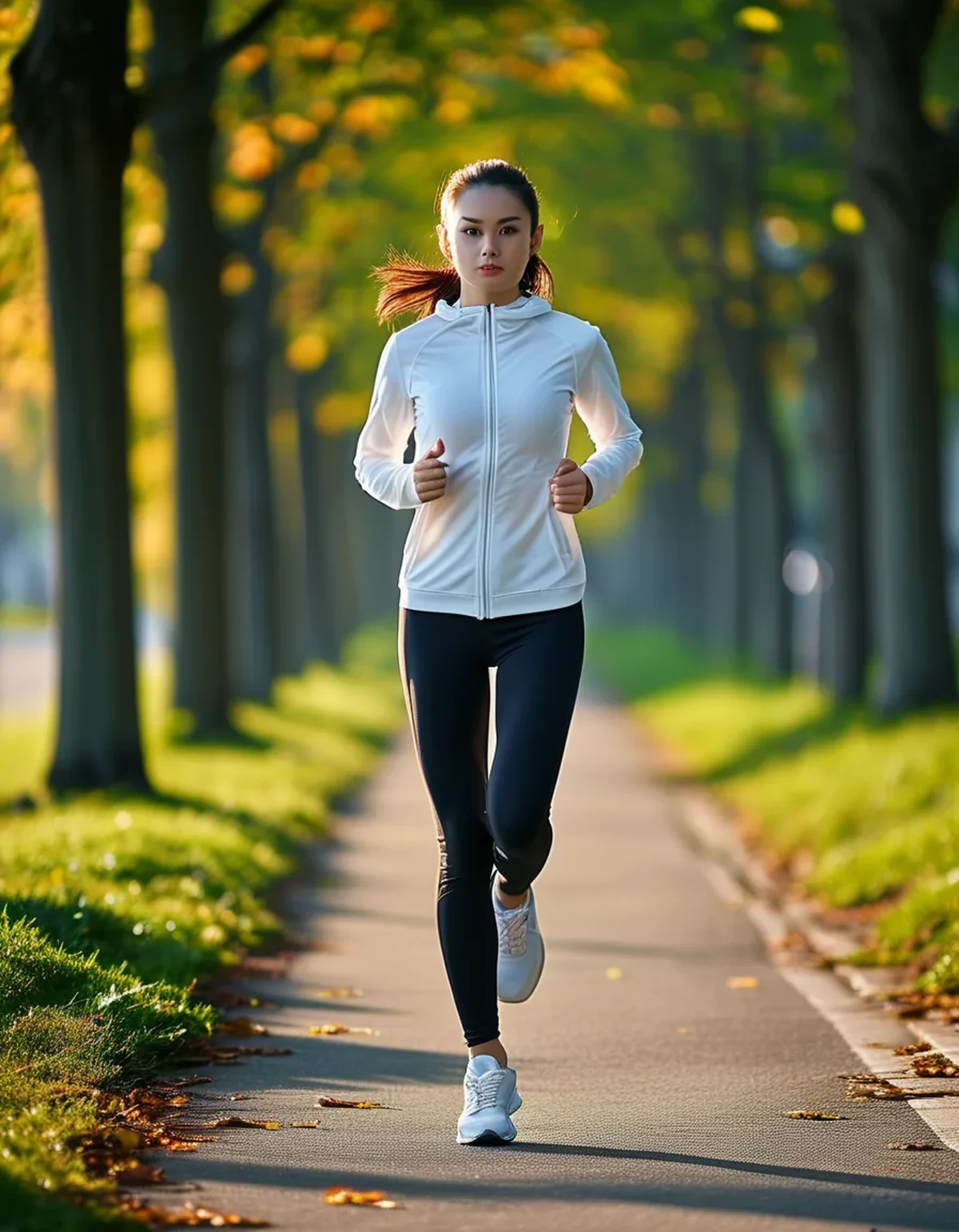
The change: move outdoor sessions to before roughly 9am, or to the evening after 6pm. Ragweed pollen release follows a daily rhythm, with the heaviest emission typically in the mid-morning to early afternoon hours on warm, dry days.
Why the timing works better than the medication: an antihistamine reduces your response to the pollen you inhale. Moving the session reduces how much you inhale in the first place, and the two stack rather than compete.
What it looks like in practice: the run that happened at 11am in July moves to 7am in September. If mornings are impossible, the evening slot after the day’s thermal mixing settles is the second-best window - counts usually fall through the late afternoon.
One thing that catches people out: cool, damp mornings suppress release, but a warm dry morning after a warm dry night can already be well into the peak by 8am. Check a local pollen forecast rather than assuming early always means low.
Pair it with: doing the hardest breathing work of your week in this window. If you are going to have one high-ventilation session, put it in the cleanest air you have access to, because ventilation rate is what determines dose.
Setup 2: The post-rain session
The change: deliberately schedule the harder outdoor sessions for the hours after steady rain. Rain washes pollen out of the air and wets the source plants, and counts usually stay suppressed for a period afterwards.
Why it earns a place in the plan: it is the single largest natural reduction available, and it costs nothing. Building flexibility into which day is your long run - rather than fixing it to Saturday - lets you take the clean-air day when it appears.
The important exception: brief thunderstorms can do the opposite. Thunderstorm outflows can loft and rupture pollen grains into smaller fragments, and the phenomenon known as thunderstorm asthma is associated with a spike in respiratory symptoms during and shortly after such storms. Steady rain is your friend; a sudden thunderstorm is not.
What to look for: a few hours of steady rainfall followed by continued damp, still conditions. Warm, dry, windy weather after rain will rebuild counts quickly, often within a day.
How to use it structurally: keep one hard session per week as floating rather than fixed, and spend it on the best-air day the week offers. Everything else stays on schedule.
Setup 3: The doorway protocol
The change: treat the front door as the boundary, and strip at it. Pollen is sticky and travels indoors on clothing, skin, and hair, where it continues to expose you for hours after the session ended.
The sequence that works: shoes off outside or immediately inside, training clothes straight into a lidded basket rather than draped over a chair, and a shower with hair washed before sitting on anything soft. The hair step is the one most often skipped and it matters, because hair holds pollen directly at nose height all evening.
Why this beats extra medication for a lot of people: the post-run symptoms that show up two hours later are frequently ongoing exposure rather than a delayed reaction. Removing the carrier removes the exposure.
The furniture problem: sitting on a fabric sofa in training kit transfers pollen into a surface you then use every evening for weeks. One armchair or one throw designated as the landing spot, washed weekly, contains it.
And a note on pets: dogs walked during peak hours are effective pollen delivery systems. A wipe-down at the door on high-count days makes a noticeable difference in households where the dog sleeps upstairs.
Setup 4: The bedroom as a clean room
The change: make the bedroom the one place pollen does not go, because that is where you spend the longest continuous stretch. Eight hours of low-exposure sleep does more for daytime symptoms than most people expect.
The three highest-value moves, in order: windows closed overnight during peak season, no training clothes or gym bag in the room, and pillowcases changed at least twice a week. Air conditioning on recirculate, if you have it, is better than an open window in September.
A HEPA air purifier helps, with a caveat: it needs to be appropriately sized for the room and running continuously, and it does nothing about pollen already embedded in bedding. It is a supplement to the basics, not a replacement.
Why sleep quality is the real prize: nasal congestion fragments sleep, poor sleep worsens next-day symptom perception and training quality, and the loop tightens through the worst weeks of the season. Protecting the bedroom breaks the loop at the point where it costs you most.
Drying laundry outdoors is the classic own goal. Sheets on a line during a September afternoon collect pollen and deliver it to your face for eight hours. Indoors or in a dryer for these few weeks.
Setup 5: The route audit
The change: look at where ragweed actually grows and route around it. Ragweed favours disturbed ground - roadside verges, construction edges, vacant lots, field margins, and the untended strips along rail corridors and canal paths.
What this means for a running or cycling route: a loop through a mown park or a residential street is usually meaningfully lower exposure than the same distance along an unmaintained verge, even though the verge feels more natural.
The counterintuitive part: heavily managed green space is often better than wild green space during ragweed season, because the management removes exactly the opportunistic plants that produce the pollen.
On very high count days, have an indoor version ready. Not as a defeat - as the planned alternative. A treadmill session, an air bike session, or a strength session substituted for the outdoor run keeps the training week intact and stops the season from becoming a six-week gap.
And know when to escalate. If symptoms include wheezing, chest tightness, or shortness of breath that persists after stopping, that is beyond hay fever management and warrants a medical assessment - exercise-induced bronchoconstriction and seasonal asthma are common and treatable. This is general information, not medical advice, and anything affecting your breathing during exercise deserves a professional opinion.
FAQ: Ragweed Season Training Questions
What time of day is pollen lowest for running?
Early morning before roughly 9am and later evening are usually the lowest windows, since ragweed release peaks through mid-morning and early afternoon on warm, dry days. After steady rain is lower still. Check a local forecast rather than assuming, because a warm dry night can push the peak earlier.
How long does ragweed season last?
In most of the United States it starts in mid to late August, peaks in early to mid September, and continues until the first hard frost, which means October or later in southern regions. The peak weeks are typically the first two to three weeks of September.
Should I shower after every outdoor workout during allergy season?
It makes a substantial difference, particularly washing your hair. Pollen carried indoors on skin, hair, and clothing keeps exposing you for hours afterwards, which is why symptoms often seem to worsen well after the session rather than during it.
Can I still train outdoors with fall allergies?
Usually yes, with timing and routing adjustments plus whatever management your doctor has advised. The exception is any symptom involving your breathing rather than your nose and eyes - wheezing, chest tightness, or breathlessness that lingers after you stop should be assessed rather than trained through.
TL;DR:
- Ragweed peaks late August through mid-September, highest on warm dry breezy days between roughly 10am and 3pm.
- Setup 1: move outdoor sessions before 9am or after 6pm, and put your highest-ventilation session in the cleanest window.
- Setup 2: float one hard session per week and spend it after steady rain - but avoid the hours around a thunderstorm.
- Setup 3: strip and shower at the door, hair included, and keep kit out of soft furnishings.
- Setup 4: keep the bedroom windows closed and the gym bag out of it; protecting sleep pays back across the whole week.
- Setup 5: route away from verges, vacant lots, and disturbed ground - managed park beats wild edge in September.
None of this makes the pollen go away. All of it changes the dose, and dose is the part you control.
Keep Reading
This article is for general informational purposes only and is not medical advice. Always consult a qualified health professional for guidance specific to you.