Five Fixes for the First Week the Heating Comes On
Quick Answer: When heating runs for the first time in months, the dust that settled on radiators, in ducts, and around heat exchangers is heated and lifted into the air all at once. That produces the familiar burning-dust smell and a two-to-five-day spike in sneezing, itchy eyes, and night-time congestion - often mistaken for a cold or a late pollen surge. Five fixes handle most of it, and four can be done before you turn anything on.
Ragweed is finally easing and you feel worse than you did in August. Then you notice the smell the first evening the heating clicks on, and the timing stops being mysterious.

Fix 1: Run the system with the windows open, before you need it
Do the first burn-off deliberately, on a mild day, with ventilation. Turn the heating on for 15 to 30 minutes with windows open in the rooms being heated, then leave the house or move to another room if you can.
Why this works: the burning-dust smell is exactly that - organic dust oxidising on hot surfaces. It is a one-time-per-season event for most systems, and it is far better to have it happen with the windows open on a Saturday afternoon than at 6am on the first cold morning with everything sealed.
What you will notice: the smell peaks in the first ten minutes and fades substantially within half an hour. If it persists beyond an hour or smells like burning plastic or electrical rather than dust, turn the system off and have it looked at - that is a different problem.
Timing it early matters. Doing this in late September, before the first genuine cold snap, means the burn-off happens on your schedule rather than on the night you actually need heat and cannot open a window.
And do it before you deep-clean rather than after, so the dust that gets lifted lands on surfaces you are about to wipe anyway.
Fix 2: Change the filter, and check what grade it is
A filter that has been sitting since spring is the single biggest lever in this whole list. It has been collecting through months of pollen season and is now the thing your heated air passes through first.
Grade matters more than most people realise. Filters are rated by how small a particle they capture - the higher the rating, the more pollen, mould spores, and dust mite debris they hold back. Moving from a basic filter to a mid-grade pleated one is a meaningful upgrade for symptoms and costs a few pounds.
But do not fit the highest-rated filter you can find. Very dense filters restrict airflow, and a system starved of airflow works harder, heats unevenly, and in some cases can be damaged. Mid-range pleated is the practical sweet spot for most domestic systems; check what your unit specifies.
Replace on a schedule you will actually keep - most standard filters want changing every 60 to 90 days, and every 30 to 60 during heavy use if you have pets. Put it in the calendar rather than trusting yourself to notice.
If you have radiators rather than forced air, the equivalent job is cleaning behind and between the fins, where a season of dust has accumulated on the surface that is about to get hot.
Fix 3: Clean the surfaces the heat will hit first
Radiator backs, vent covers, and the tops of skirting boards are where the relevant dust lives. These are the surfaces that go from cold to hot and push their load straight into the air.
Use a damp cloth, not a dry duster or a feather duster. Dry dusting relocates dust into the air, which is the exact outcome you are trying to prevent. Damp captures it.
A radiator brush is worth the small cost - a long thin brush that reaches between the fins where a vacuum nozzle cannot. Cover the floor with an old sheet first, because a genuine amount comes out.
Vacuum vent covers and the first stretch of visible duct with a HEPA-filtered vacuum if you have one. A vacuum without good filtration passes fine particles straight back into the room, which is a common way people make a cleaning day feel worse rather than better.
And do bedrooms first. You spend a third of your time there with your face close to the surfaces, and night-time symptoms are the ones most likely to affect how the rest of the week goes.
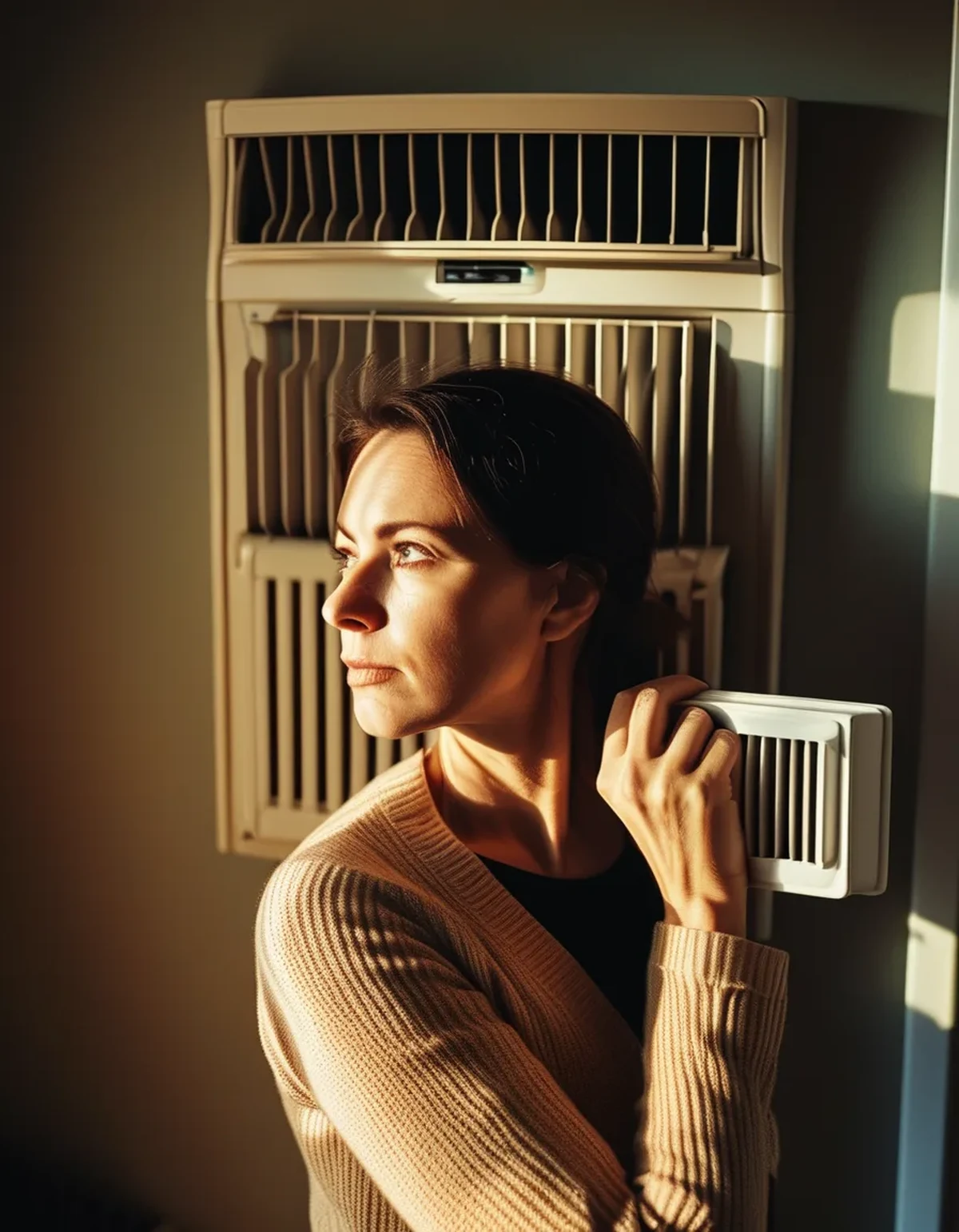
Fix 4: Fix the humidity swing, because heating dries everything out
Heated indoor air drops in relative humidity fast, and dry air makes allergy symptoms worse in a specific way: it dries the mucous membranes in the nose and throat, which reduces their ability to trap and clear allergens and increases irritation.
Aim for roughly 40 to 50 percent relative humidity. Below 30 percent, expect dry throat, night-time congestion, and worse morning symptoms. Above 55 to 60 percent, you start favouring dust mites and mould, which is the opposite problem.
Buy a cheap hygrometer before buying a humidifier. They cost very little, and a surprising number of homes are already in range - adding moisture blindly is how people create a dust mite problem while trying to fix a dryness problem.
If you do humidify, clean the unit properly and often. A humidifier with standing water becomes a mould and bacteria dispenser, which turns a fix into a cause. Empty and dry it daily, and follow the descaling schedule.
The lowest-effort version: a bowl of water near a radiator, drying laundry indoors on a rack in a ventilated room, or simply leaving the bathroom door open after a shower. These are enough to shift a room by several percentage points.
Fix 5: Reset the bedroom for the closed-window season
Once windows close for the winter, indoor allergens stop being diluted by outdoor air. Dust mite allergen in particular accumulates through the heating season, and the bedroom is where exposure is heaviest.
Wash bedding weekly at 60C. Temperature is what actually kills dust mites - a cool wash removes some allergen but does not deal with the mites themselves. If a duvet or pillow cannot take 60C, that is an argument for an allergen-proof cover instead.
Allergen-proof covers on mattress and pillows are the highest-evidence single intervention for dust-mite-sensitised people, and the heating season is the right time to fit them.
Keep the bedroom cooler than the rest of the house. Dust mites do better in warm humid conditions, so a bedroom at 16 to 18C with the door closed and good ventilation is less hospitable than one heated to 21.
Vacuum under the bed, which is where it accumulates. Once a fortnight through the season, with a HEPA vacuum if possible, and move the bed rather than reaching under it.
And if symptoms persist despite all five fixes, get tested rather than guessing. Persistent autumn and winter symptoms are frequently dust mite or mould rather than anything seasonal, and knowing which changes what you should do about it. This is general information, not medical advice - see a professional if symptoms are affecting sleep or daily function.
FAQ: Heating Season Allergy Questions
Why do my allergies get worse when I turn the heating on?
Dust that settled on radiators, vents, and inside ductwork over the summer gets heated and lifted into the air in the first cycles. That produces the burning-dust smell and a short spike in sneezing and congestion. It typically settles within two to five days, faster if you ventilate during the first burn-off.
Is the burning smell when heating starts dangerous?
A dusty, slightly burnt smell for the first 10 to 30 minutes of the season is normal and is dust oxidising on hot surfaces. A smell of burning plastic, electrical burning, or anything persisting beyond an hour is not - turn the system off and have it inspected.
What filter should I use for allergies?
A mid-grade pleated filter captures far more pollen, mould spores, and mite debris than a basic one, without the airflow restriction of a very dense filter. Check your system’s specification, and replace every 60 to 90 days, or 30 to 60 with pets.
What humidity level is best for allergies?
Roughly 40 to 50 percent. Below 30 dries the nasal membranes and worsens irritation; above 55 to 60 favours dust mites and mould. Measure with an inexpensive hygrometer before adding a humidifier - many homes are already in range.
TL;DR:
- The first heating cycle burns off a summer of settled dust all at once, causing a two-to-five-day symptom spike that gets blamed on pollen or a cold.
- Fix 1: do the burn-off deliberately, on a mild day, with windows open, before you actually need the heat.
- Fix 2: change the filter and choose mid-grade pleated - not the densest available, which restricts airflow.
- Fix 3: damp-clean radiator fins, vent covers, and skirting tops; never dry-dust, and do bedrooms first.
- Fix 4: measure humidity before adding any, and hold 40 to 50 percent - dry air worsens symptoms, damp air feeds mites.
- Fix 5: reset the bedroom for closed-window season - 60C bedding washes, allergen-proof covers, cooler room, vacuum under the bed.
If October feels worse than ragweed season did, the cause is probably indoors and about a week old.
Keep Reading
This article is for general informational purposes only and is not medical advice. Always consult a qualified health professional for guidance specific to you.