Five Ragweed Season Setups, Room by Room
Quick Answer: Ragweed pollen peaks from mid-August through the first hard frost, and most of what makes you miserable indoors is pollen you carried in yourself. Five setups handle it: a landing zone at the door, a low-pollen bedroom, a car that isn’t a pollen box, a workout bag that assumes you’ll be outside, and a ten-minute evening reset. None of them require buying much.
Ragweed is the one that catches people off guard. Spring allergies feel like a known event. Then late August arrives and you’re congested and convinced you’ve caught something.
You haven’t. A single ragweed plant releases something on the order of a billion pollen grains in a season, and it travels hundreds of miles on wind. Here’s how to set up five specific spaces so the season is survivable.
Setup 1: The Entryway Landing Zone
This is the highest-return change in the whole list, and it costs nothing but a hook.
The problem: pollen sticks to hair, skin, and fabric, and you carry it directly to the places you spend the most time. Walking in and dropping onto the couch in the clothes you wore outside is how an outdoor allergen becomes an indoor one.
The setup, physically:
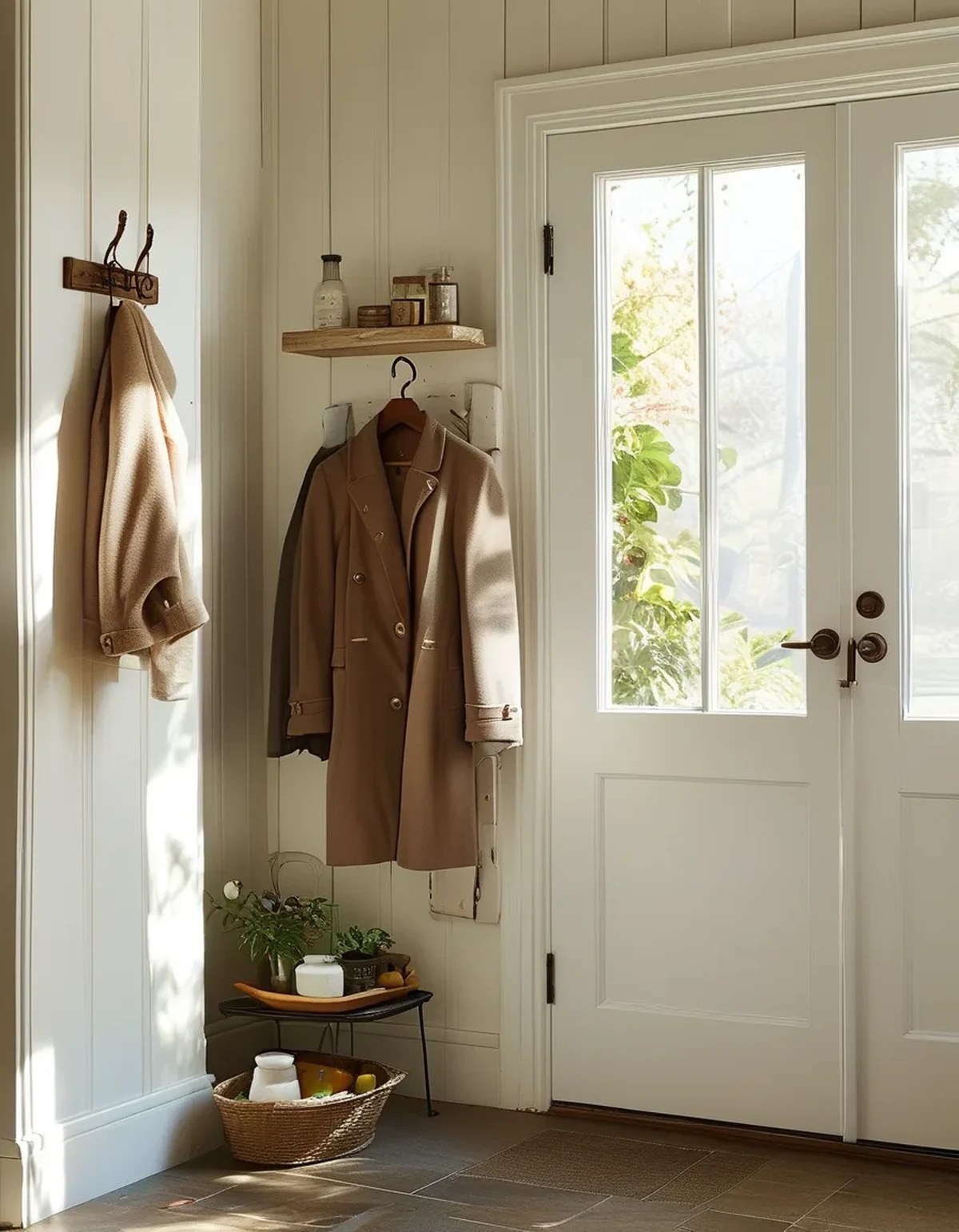
- A hook or a rail immediately inside the door for the jacket you wore out. It does not travel further into the house.
- A shoe spot at the door, not in the bedroom closet.
- A small tray for keys, sunglasses, and the bag — all of which are covered in pollen and all of which usually end up on a bed or a kitchen counter.
- A tissue box and hand wipe within reach, so rinsing your hands and face is the default and not a project.
Why it works: you’re not trying to keep pollen out of the house, which is impossible. You’re keeping it in one square meter of the house.
Setup 2: The Low-Pollen Bedroom
You spend roughly a third of your day here with your face pressed into fabric, so it’s the room where pollen load matters most.
What the setup looks like:
- Windows closed during peak hours. Ragweed counts run highest from mid-morning to early afternoon, roughly 10am to 3pm, which is exactly when people air out a bedroom. Flip it — open at night if you need air, closed midday.
- Hair washed before bed, not in the morning. Hair holds pollen extremely well, and unwashed hair on a pillow is an eight-hour exposure at close range.
- No outdoor clothes on the bed. The bed becomes the second landing zone if you let it.
- Sheets washed weekly in hot water during the season. This is one of the few places where hot water is the right call.
- A filter running, if you have one, on the bedroom door closed. A small unit in a closed room outperforms a large unit in an open floor plan.
The change most people feel fastest is the hair one. It’s also the one most people skip because it means rearranging the evening.

Setup 3: The Car That Isn’t a Pollen Box
Cars concentrate pollen in a way that surprises people. Small sealed volume, fabric seats, and a ventilation system that either helps a lot or actively pumps pollen at your face.
The setup:
- Recirculate mode on, always, during the season. This is the single switch that matters. In fresh-air mode you’re drawing outside air — and outside air in September is the problem.
- Cabin air filter checked. Most cars have one, most people have never changed it, and a clogged one is worse than useless. It’s typically behind the glovebox and takes ten minutes.
- Windows up. Obvious, unpopular on a nice 74°F afternoon, still correct.
- Don’t leave the car open in a driveway while you load it. Ten minutes with the doors open on a windy afternoon undoes everything else.
If you commute with the windows down through ragweed season, that drive is very likely your single largest daily exposure — larger than any time you spend actually outdoors, because you’re sitting in a stream of concentrated air.
Setup 4: The Workout Bag That Assumes Outdoors
You’re going to exercise outside anyway. Late-August mornings are too good not to. So the setup assumes exposure and manages it rather than pretending you’ll stay in.
What’s in the bag:
- Wraparound sunglasses. Not a style note — eyes are a major entry point and a lens that covers the sides makes a real difference in itching.
- A cap or visor. Keeps pollen off your hair and face, which is the stuff you’ll otherwise carry home.
- A change of top, so the pollen-loaded layer comes off before you get in the car.
- Saline nasal rinse or spray for immediately after. Rinsing out what you inhaled is meaningfully more effective than waiting for symptoms to build.
- Face wipes for the ten seconds it takes to get pollen off your skin.
On timing: run early morning or after rain, not late morning. Counts are lowest right after a good rain and generally lower before dawn. A windy dry afternoon is the worst possible window and it’s also, unhelpfully, when most people have free time.
Setup 5: The Ten-Minute Evening Reset
The last setup is a sequence rather than a place. It’s what turns the other four into an actual system.
In order, taking about ten minutes total:
- Shoes and jacket at the door. Landing zone, already built.
- Wash hands and face. Thirty seconds. Removes what’s on the highest-contact surfaces.
- Saline rinse, if the day was bad. This is the step that decides how your evening goes.
- Change out of the day’s clothes and put them in a hamper with a lid, not draped over a chair in the bedroom.
- Shower and wash hair if you were outside for more than a short walk.
- Bedroom door closed, filter on if you have one.
The reason to write it as a sequence: allergy management fails on inconsistency, not on technique. Everyone knows to shower. Almost nobody does it on the specific evening they’re tired and it would have mattered most.
If symptoms are severe, waking you at night, or not responding to any of this, that’s a conversation with a doctor about medication timing or testing — antihistamines generally work better started before the season peaks than reached for during it. This is general information, not medical advice.
TL;DR:
- Ragweed runs mid-August to first frost, and most indoor pollen is pollen you carried in.
- Entryway landing zone: hook, shoe spot, tray. Confine it to one square meter.
- Bedroom: windows closed 10am–3pm, hair washed at night, sheets hot-washed weekly.
- Car: recirculate mode on, cabin filter changed, windows up. Often the biggest daily exposure.
- Outdoors: wraparound sunglasses, a cap, and a saline rinse after. Train early or after rain.
- Evening reset in ten minutes — the sequence matters more than any single step.
You can’t out-clean ragweed. You can decide where in your home it’s allowed to land.
Keep Reading
This article is for general informational purposes only and is not medical advice. Always consult a qualified health professional for guidance specific to you.