Your Clothes Are a Pollen Sponge: Laundry Habits That Cut Symptoms Indoors
Quick Answer: Fabric is one of the main vehicles carrying pollen past your front door - clothes, hair, and anything line-dried outside. During ragweed season, change out of outdoor clothes soon after coming home, keep the hamper lidded and out of the bedroom, wash exposed fabrics in a normal cycle, and never dry laundry outdoors. Add an evening hair rinse and you have removed most of the pollen your pillow was going to spend eight hours feeding you.
Late summer means ragweed across most of the US, and everyone focuses on closed windows and air purifiers - then walks in wearing a full day of pollen, sits on the couch in it, and sleeps next to the hamper holding it.
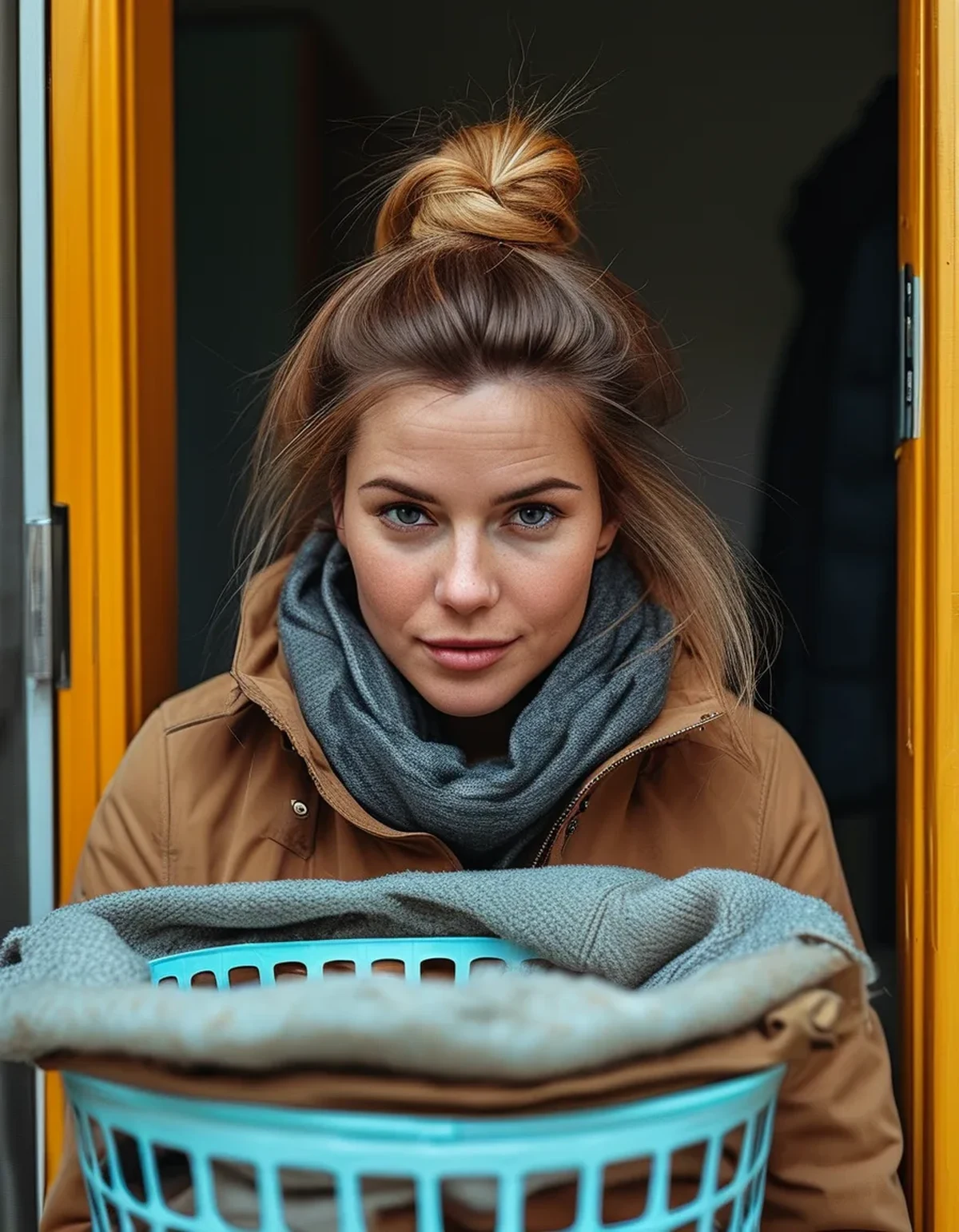
How much pollen do clothes actually carry indoors?
More than intuition suggests, because fabric is a genuinely effective pollen trap.
Pollen grains are sticky, textured particles designed by plants to attach to passing surfaces. Textiles - with their fiber loops, static charge, and huge surface area - are close to ideal collectors. Studies sampling clothing after outdoor exposure find grains lodged throughout the weave, and they keep re-releasing for hours as you move: sit on the couch, and the couch is now seeded; hug someone, transferred; toss the shirt on the bed, delivered to your pillow at mattress height.
Hair is the other major courier. It is textured, often product-coated, and rides directly above your face all night if unwashed.
The timing makes this an August-to-October problem in most of the country. Ragweed - the dominant late-summer allergen for tens of millions of Americans - releases pollen from roughly mid-August to the first hard frost, peaking on warm, dry, breezy mornings. A single plant releases staggering amounts, and the grains travel miles, so proximity to a visible plant is not required.
Here is the encouraging part: unlike ambient outdoor air, the fabric pathway is almost fully controllable. You decide what clothes touch, where they rest, and when they get washed. For people whose symptoms are worst in the evening and on waking - the classic signature of an indoor pollen reservoir - this pathway is often the biggest lever they have not pulled.
Which fabrics and items hold the most?
Not all textiles trap equally, and knowing the rankings tells you where the effort pays.
Worst offenders - the fuzzy and textured: fleece, wool knits, terry cloth, corduroy, brushed cotton hoodies, and chunky scarves. Loops and raised fibers act like velcro for grains. A fleece worn on a morning walk in September is a wearable pollen archive.
Middle tier: standard cotton tees, denim, and most woven fabrics - real capacity, easier release in the wash.
Friendliest tier - smooth and tight: slick synthetics like nylon shells, tightly woven polyester, and smooth-finish leggings and running tights. Less surface texture means less grip; a smooth-faced legging sheds pollen far more readily than sweatpants do, which quietly makes fitted synthetic activewear a good choice for outdoor exercise in ragweed season - it carries less in and releases what it does carry in one wash.
The forgotten items that never get washed at all:
- Jackets and outer layers - worn daily for weeks, laundered rarely, hung inside the bedroom closet
- Bags, backpacks, and their straps
- Hats and sunglasses, resting directly against hair and face
- Shoes, tracking grains plus the dust that carries them
- The dog, honestly - fur is the fuzziest fabric in the house, and it sleeps where it likes
You do not need to launder everything daily. You need the high-capacity items intercepted at the door and the never-washed items on an actual rotation.
What does the entryway ritual look like?
The goal is a soft boundary: outdoor fabric stops circulating within the first few minutes home.
Change within the first fifteen minutes on high-pollen days - especially after exercise, yard work, or extended time out. Not a full decontamination, just outdoor clothes off and indoor clothes on, before the couch phase of the evening begins.
Give outdoor clothes a destination that is not furniture. The chair that collects worn-once clothing is, in ragweed season, a pollen depot in your bedroom. Two acceptable fates: a lidded hamper (open baskets re-release grains every time laundry lands in them) parked outside the bedroom, or - for the barely-worn jacket tier - hooks near the entry where outdoor layers live without touring the house.
Keep the bed sacred. No outdoor clothes on the bedding, ever, and no bags on the bed. Of every surface in the home, the pillow has the longest, closest contact with your airways.
Rinse the couriers. An evening shower with a hair rinse - even water-only - before bed removes the load your hair collected; on big-exposure days, it is the single highest-value step in this article. Glasses and sunglasses get a quick rinse too.
Wipe the dog. A damp microfiber cloth pass over fur and paws at the door captures a remarkable amount, and most dogs tolerate it as a greeting ritual.
None of this requires vigilance heroics - it is a two-minute sequence that becomes automatic within a week, and it front-loads all the benefit into the hours you spend deepest in one room: the night.
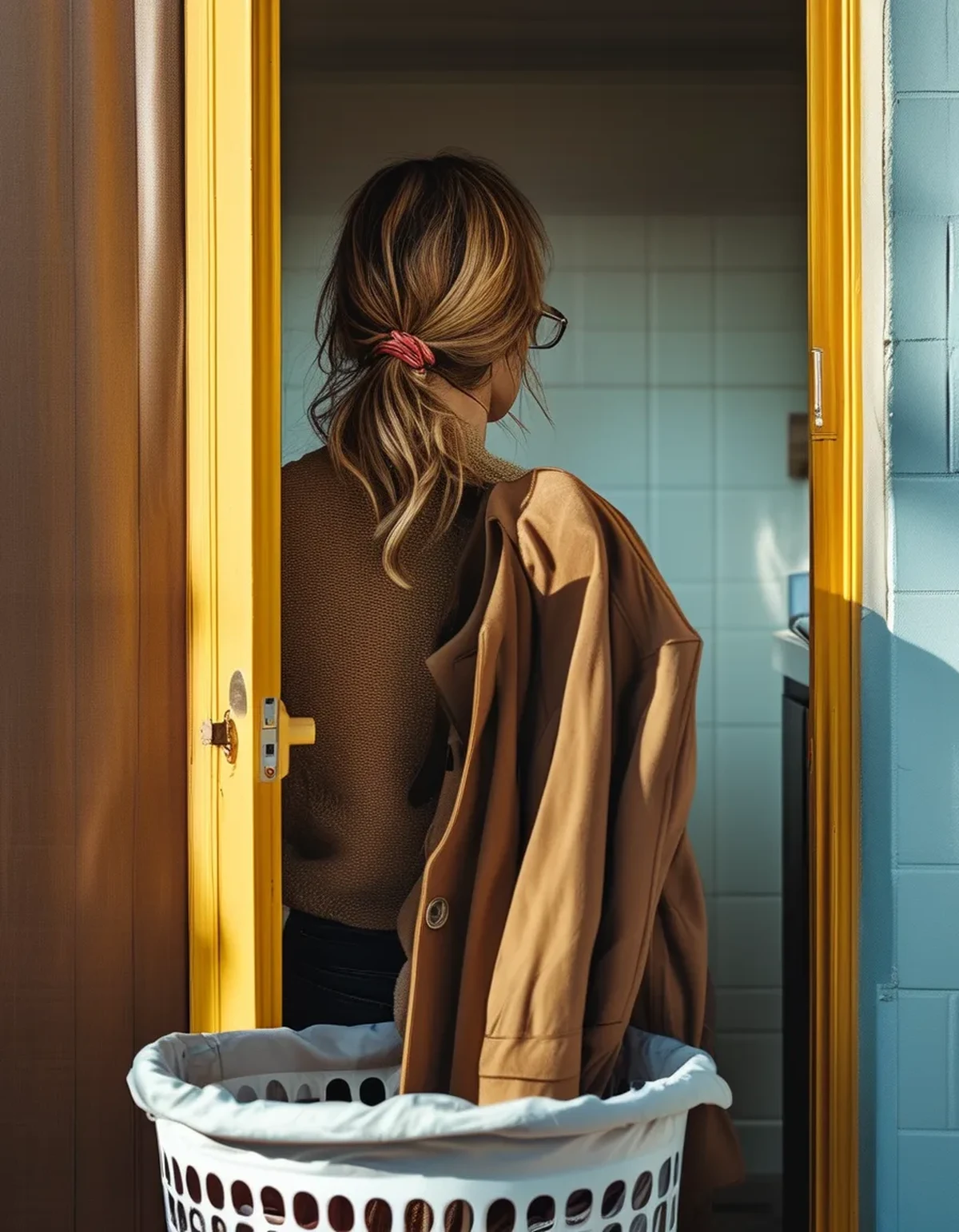
Why is line-drying outdoors the one habit to suspend?
Because it reverses everything the wash just accomplished, with impressive efficiency.
Wet fabric is even stickier to airborne particles than dry fabric, and a clothesline presents maximum surface area to the open air for hours - during the exact season when ragweed is broadcasting. Sheets and pillowcases are the worst-case items: huge area, and their next assignment is eight hours against your face. Freshly line-dried bedding in September can carry a substantial pollen load that smells wonderfully like outside because it is, in the relevant sense, outside.
Ragweed-season drying rules:
- Bedding and towels: machine dry or indoor dry, no exceptions through the season. This is the non-negotiable one.
- Everything else: indoor rack, ideally in a room with a closed window - near a dehumidifier or fan if drying speed is a concern, since slow damp drying indoors brings its own mildew issues.
- If outdoor drying is unavoidable, do it on the lowest-pollen windows - right after rain is the classic safe slot, since rain scrubs the air clean for a stretch - and give items a hard shake plus a ten-minute tumble on air-only before they come to a bed or body.
- Resume the clothesline after the first hard frost, which ends ragweed’s season definitively.
A related myth deserves its moment: pollen does not require special detergents, hot water, or double washing to remove. A normal wash cycle rinses grains out of fabric effectively - washing was never the weak link. The weak link was re-coating clean fabric in outdoor air, and closing that loop costs nothing but a drying rack.
5 Mistakes Everyone Makes in Ragweed Season
Mistake 1: Exercising outdoors at peak-release hours and wearing the evidence all evening. Ragweed releases most heavily mid-morning on warm, dry days. Shifting runs to early morning or after rain lowers the dose; changing and rinsing immediately after handles the rest. The workout is not the problem - the six hours in the workout clothes is.
Mistake 2: The bedroom hamper. An open basket of worn clothes is a slow-release pollen diffuser positioned feet from your pillow. Lid it and relocate it - the single easiest fix on this list.
Mistake 3: Never washing the jacket. Outer layers collect for weeks and get a pass because they are worn briefly. In season, the daily jacket earns a wash every week or two, or at least a downgrade to entryway-hook status.
Mistake 4: Blaming the purifier. People run a HEPA purifier while the real reservoir is fabric - clothes, bedding, the throw blanket, the dog. Purifiers handle what is airborne; they cannot un-seed a pillowcase. Pair the machine with the textile habits or it fights alone.
Mistake 5: Quitting the routine in October. Ragweed runs until the first hard frost - in much of the country that means the season has months left when people declare victory in September. The mistake list ends where the season actually ends: at frost, not at fatigue.
If symptoms persist despite genuine environmental control - or if wheezing, chest tightness, or sinus infections enter the picture - that is the point to involve an allergist rather than another habit. Testing and treatment have improved enormously. This is general information, not medical advice.
FAQ: Pollen and Laundry Questions, Answered
Does washing clothes in cold water remove pollen?
Yes - pollen removal is mechanical rinsing, not chemistry, and a normal cycle at any temperature does it well. No special detergent required. The priority is what happens after the wash: dry indoors or in the machine during the season.
How often should I wash bedding during ragweed season?
Weekly for pillowcases at minimum - they take the most direct transfer from hair and face - and every one to two weeks for the rest. If you shower and rinse hair before bed, you have extended the honest interval; if you sleep with unwashed hair after outdoor evenings, shorten it.
Can I just brush pollen off clothes instead of washing?
Brushing and shaking outdoors removes some surface load and is worth doing before re-entering, but grains lodged in the weave stay put and keep re-releasing. Treat shaking as triage for the jacket tier, not a substitute for washing the against-skin layer.
Do dryer sheets or fabric softener help repel pollen?
Softener reduces static, and static does attract particles - but the effect is marginal and softener coats technical fabrics badly. Skip it on activewear entirely; rely on smooth fabric choices, prompt changing, and indoor drying, which do the real work.
TL;DR:
- Fabric and hair are primary pollen couriers - ragweed season runs mid-August to first frost across most of the US
- Fuzzy textiles trap most; smooth tight weaves and fitted synthetics carry least and wash out easiest
- The entry ritual: change within fifteen minutes, lidded hamper outside the bedroom, evening hair rinse, damp-wipe the dog
- Never line-dry outdoors in season - especially bedding; a normal wash removes pollen, outdoor drying re-applies it
- Run the routine until the first hard frost, and escalate to an allergist if symptoms outlast genuine control
You cannot negotiate with a plant that makes a billion grains of pollen. You can absolutely decide that the last barrier - the fabric touching your face all night - arrives at bedtime clean. That decision is worth more than most gadgets sold for it.
See It in Motion
Seen here: High Waist Embossed Yoga Leggings with Side Pockets — shop it on bubblelime.com
Keep Reading
This article is for general informational purposes only and is not medical advice. Always consult a qualified health professional for guidance specific to you.