Why Your Allergies Get Worse at Night — and the 3 Fixes That Actually Help
Quick Answer: Allergies worsen at night because cortisol (which naturally suppresses inflammation) drops after dark, and lying flat lets mucus pool instead of drain. Elevate your head, shower before bed, and keep bedroom humidity under 50% to cut nighttime flares.
Your eyes are fine at your desk. By the time you’re brushing your teeth, you’re a sneezing, stuffy mess. That’s not bad luck — it’s biology working against you at exactly the wrong hour.
Why do allergy symptoms spike specifically at bedtime?
Your body’s natural anti-inflammatory hormone, cortisol, follows a daily rhythm — it peaks in the morning and drops to its lowest point around 11pm-3am. Less cortisol means less natural symptom suppression, so histamine response runs unchecked right when you’re trying to sleep.
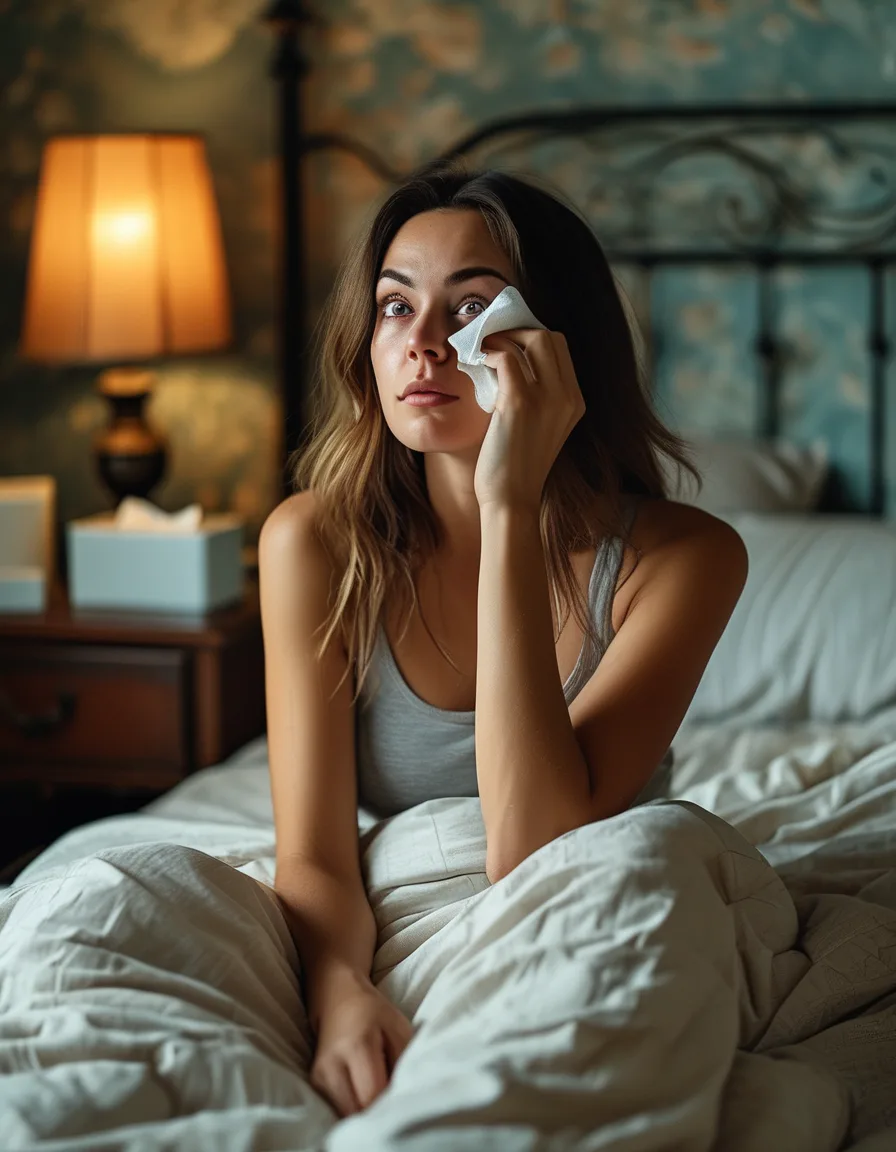
Add gravity: lying flat stops mucus from draining the way it does when you’re upright all day. It pools in your sinuses and throat instead, which is why the cough and congestion feel worse the moment your head hits the pillow.
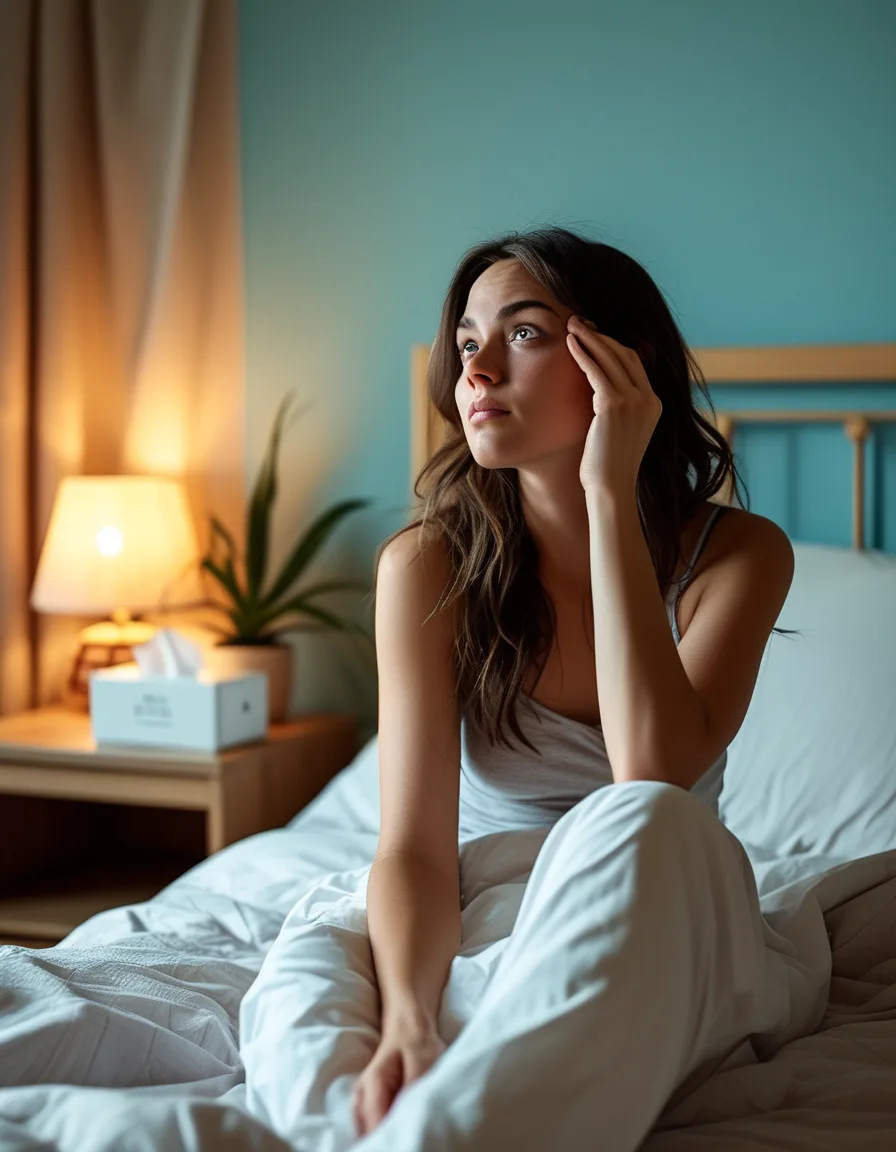
Is it your bedroom, not just your body?
Often, yes. Dust mites — the single biggest indoor allergy trigger — live in your mattress, pillows, and blankets by the millions, feeding on skin flakes you shed every night. You spend 7-8 hours with your face inches from their highest concentration.
Pet dander settling on bedding overnight and forced-air heating kicking on while you sleep both add to the load. If your symptoms are noticeably worse in your bedroom than anywhere else in the house, the room itself is a suspect.
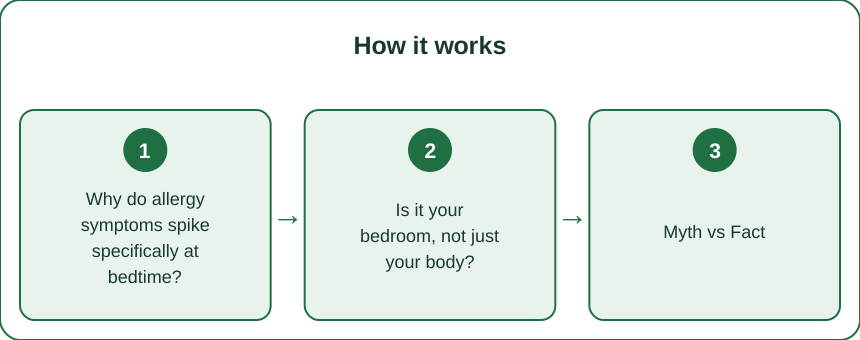
Myth vs Fact: Nighttime Allergy Edition
Myth: Keeping windows closed at night stops all triggers. Fact: It stops pollen, but does nothing for the dust mites and dander already inside your mattress and pillows — the bigger nighttime source for most people.
Myth: Antihistamines taken at bedtime work best. Fact: Many non-drowsy antihistamines peak in 1-3 hours and fade by early morning — right when symptoms often spike again around 4-6am. Timing matters more than people assume.
Myth: A humidifier always helps allergies. Fact: Too much humidity (over 50%) actively breeds more dust mites and mold — the opposite of what you want. A hygrometer, not guesswork, should set your target.
What 3 changes actually reduce nighttime flares?
1. Shower before bed, not just in the morning — this rinses pollen and dander off your skin and hair before they transfer to your pillowcase.
2. Elevate your head 4-6 inches with an extra pillow or wedge to help sinuses drain instead of pool.
3. Wash bedding weekly in hot water (130°F+) and keep bedroom humidity between 30-50% using a hygrometer — this single range is the difference between a dust-mite breeding ground and an inhospitable one.
FAQ: Nighttime Allergy Questions, Answered
Should I run an air purifier all night?
Yes, if it has a true HEPA filter — run it continuously in the bedroom, since dust mite and dander particles regenerate daily regardless of how clean the room looked yesterday.
Why do I wake up worse than I went to bed?
That 4-6am symptom peak lines up with cortisol’s lowest point of the whole 24-hour cycle, plus hours of accumulated mucus pooling from lying flat all night.
When should nighttime allergies see a doctor instead of a home fix?
If congestion disrupts sleep more than 3 nights a week for over a month, or you notice facial pain or fever, that’s beyond seasonal allergies. This is general information, not medical advice.
TL;DR:
- Nighttime flares happen because cortisol (your natural anti-inflammatory) bottoms out after dark
- Lying flat lets mucus pool instead of drain — elevate your head 4-6 inches
- Dust mites live in bedding by the millions; shower before bed and wash sheets weekly in hot water
- Keep humidity 30-50% — too much breeds more mites, too little dries out sinuses
Start with the shower-before-bed habit tonight; it’s the fastest of the three to test.
Keep Reading
This article is for general informational purposes only and is not medical advice. Always consult a qualified health professional for guidance specific to you.